

Shin splints affect up to 35% of runners and athletes, making them one of the most common lower leg injuries. That sharp, throbbing pain along your shinbone can sideline you for weeks if not treated properly.
The good news? The right exercises can speed up your recovery and help prevent future flare-ups. But just as important as knowing which movements help is understanding which ones make things worse.
Whether you’re a weekend warrior, a competitive athlete, or someone who simply enjoys staying active, this guide will walk you through safe, effective shin splint exercises while highlighting the activities that could set back your progress. At Physio on the Go in San Diego, CA, we’ve helped countless patients overcome shin splints and return to the activities they love.
Understanding Shin Splints and Why Exercise Matters
Shin splints, medically known as medial tibial stress syndrome, cause pain along the inner edge of your shinbone. This condition develops when repetitive stress inflames the muscles, tendons, and bone tissue in your lower leg.
Common causes include sudden increases in training intensity, running on hard surfaces, wearing worn-out shoes, or having flat feet or high arches. The pain typically worsens during activity and may persist even at rest if left untreated.
Exercise plays a dual role in managing shin splints. Targeted movements strengthen the muscles that support your lower leg, improve flexibility, and enhance biomechanics. However, continuing high-impact activities or performing exercises incorrectly can prolong healing and increase your risk of stress fractures.
Working with a physical therapist ensures you’re doing the right exercises at the right time. Our team at Physio on the Go creates personalized rehabilitation programs that address your specific condition and activity goals.
Beneficial Exercises for Shin Splint Recovery
Toe Walks and Heel Walks
These simple movements strengthen the muscles in your lower leg and improve ankle stability. Walk forward on your toes for 30 seconds, then switch to walking on your heels for another 30 seconds. Perform 3 sets daily.
Toe and heel walks engage the tibialis anterior muscle, which runs along your shin and often weakens with shin splints. Strengthening this muscle reduces stress on the bone and surrounding tissues.
Calf Raises
Stand with your feet hip-width apart and slowly rise onto your toes, holding for 2 seconds before lowering back down. Start with 2 sets of 15 repetitions and progress as tolerated.
Strong calf muscles help absorb impact during activities like running and jumping. This exercise builds strength without placing excessive stress on your shins during the recovery phase.
Resistance Band Exercises
Sit on the floor with your legs extended. Loop a resistance band around your foot and pull your toes toward your body against the band’s resistance. Perform 3 sets of 15 repetitions for each foot.
This exercise targets the tibialis anterior and helps correct muscle imbalances that contribute to shin splints. The controlled resistance allows you to build strength safely without jarring movements.
Ankle Alphabet
While seated or lying down, use your big toe to trace the letters of the alphabet in the air. Complete the full alphabet with each foot once daily.
This movement improves ankle mobility and strengthens the small stabilizing muscles in your lower leg. Better ankle control reduces compensatory movements that stress your shins.
High-Impact Activities That Worsen Shin Splints
Running and Jogging
Running generates impact forces up to three times your body weight with each stride. When you have shin splints, this repetitive pounding inflames already irritated tissues and delays healing.
Even light jogging can prevent your body from repairing the damaged tissue. Take a break from running until your pain subsides and your physical therapist clears you to gradually return to this activity.
Jumping Exercises
Plyometric movements like box jumps, jump squats, and burpees place enormous stress on your lower legs. The landing phase generates forces that compress your shin and surrounding tissues.
These explosive exercises should be avoided entirely during the acute phase of shin splints. Save them for later stages of rehabilitation when your leg has regained full strength and mobility.
High-Impact Aerobics
Step aerobics, dance classes with jumping movements, and similar activities create repeated impact on hard surfaces. The combination of jumping and quick direction changes stresses your shins from multiple angles.
Consider low-impact alternatives like swimming, cycling, or using an elliptical machine. These options maintain your cardiovascular fitness without aggravating your condition.
Stretching Mistakes That Delay Healing
Aggressive Calf Stretching
Pulling your calf muscle too forcefully or holding stretches beyond your comfort zone can strain the muscles and tendons connected to your shin. Shin splints often involve tight calves, but forcing flexibility rarely helps.
Gentle, sustained stretches work better than aggressive pulling. Hold each stretch for 20-30 seconds without bouncing, and stop if you feel sharp pain.
Stretching Through Sharp Pain
Discomfort during stretching is normal, but sharp or stabbing pain signals you’re doing damage. Your body needs time to heal, and pushing through pain creates additional micro-tears in already stressed tissue.
Listen to your body’s signals. If a stretch causes more than mild discomfort, ease off and try a gentler variation or different approach.
Skipping the Warm-Up
Stretching cold muscles increases injury risk and may worsen shin splint symptoms. Your muscles and tendons need adequate blood flow before you can safely stretch them.
Spend 5-10 minutes doing light activity like walking or gentle cycling before stretching. This prepares your tissues for movement and makes stretching more effective.
Training Errors That Increase Shin Splint Risk
Rapid Training Progression
Increasing your running distance or workout intensity too quickly overwhelms your body’s ability to adapt. Most experts recommend increasing training volume by no more than 10% per week.
If you’re recovering from shin splints, progression should be even more gradual. Your physical therapy team will help you develop a safe return-to-activity plan that rebuilds strength without triggering a relapse.
Running on Hard Surfaces
Concrete and asphalt provide no shock absorption, forcing your legs to handle all the impact. This constant pounding on unforgiving surfaces commonly triggers shin splints.
Choose softer running surfaces like grass, dirt trails, or synthetic tracks when possible. If you must run on pavement, ensure your shoes provide adequate cushioning and support.
Wearing Worn-Out Shoes
Running shoes lose their cushioning and support after 300-500 miles of use. Continuing to train in worn-out footwear increases impact forces on your shins and disrupts your natural gait.
Replace your athletic shoes regularly and consider visiting a specialty running store for a gait analysis. Proper footwear makes a significant difference in preventing and managing shin splints.
Safe Exercise Alternatives During Recovery
Low-impact cardiovascular activities allow you to maintain fitness while your shins heal. Swimming provides an excellent full-body workout with zero impact on your legs. The water’s buoyancy supports your body weight while building endurance.
Cycling offers another joint-friendly option that strengthens your legs without the pounding of running. Whether using a stationary bike or riding outdoors, keep resistance moderate and avoid steep hills until you’ve fully recovered.
Water aerobics combines cardiovascular benefits with gentle resistance training. The water’s resistance strengthens muscles while its buoyancy protects your joints from impact forces.
Pool running using a flotation belt replicates running mechanics without ground impact. This allows you to maintain running-specific fitness and form while giving your shins time to heal.
How Physical Therapy Accelerates Recovery
Physical therapy provides expert guidance through every stage of shin splint recovery. A comprehensive evaluation identifies contributing factors like muscle imbalances, biomechanical issues, or training errors that led to your condition.
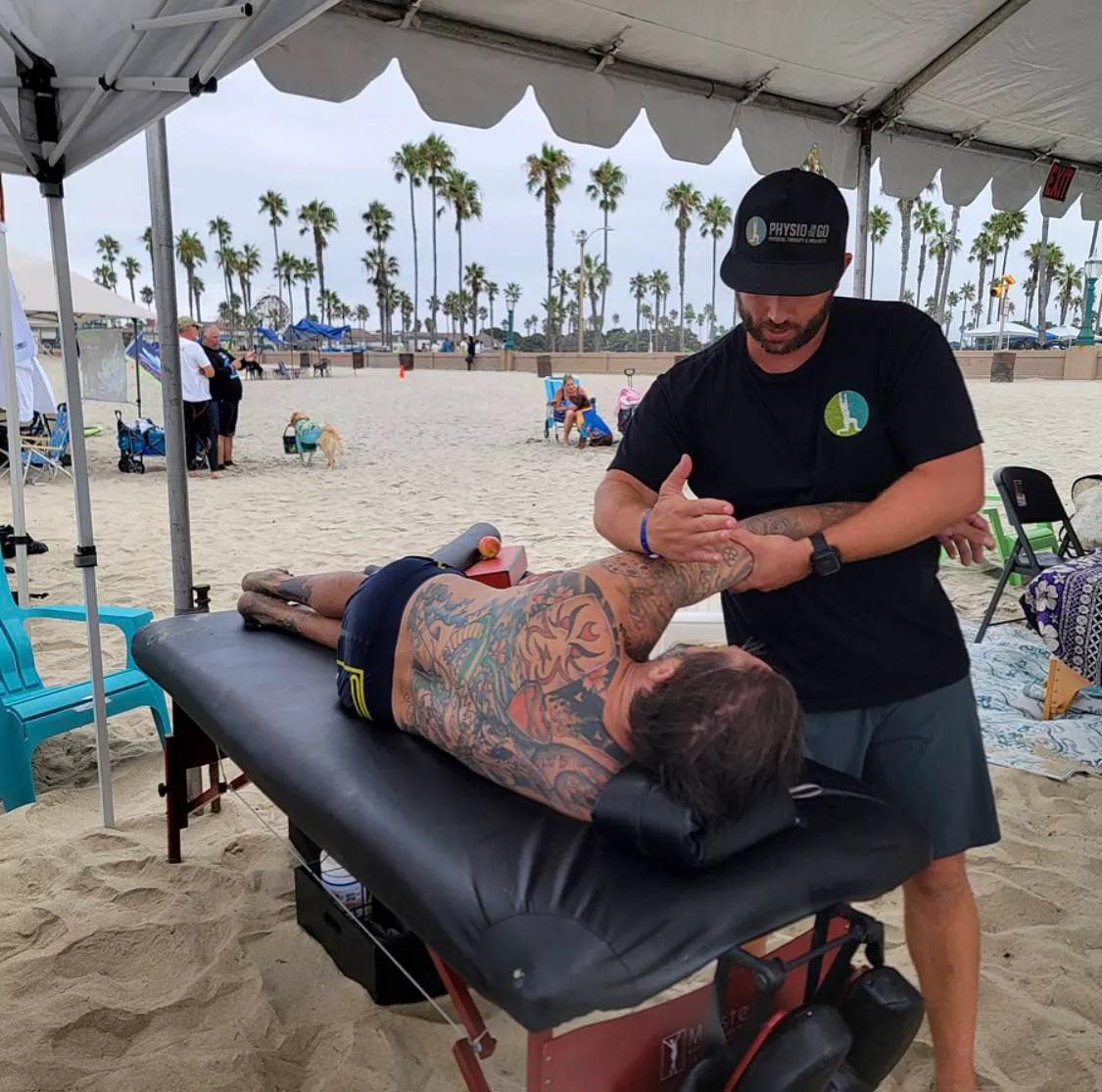
Manual therapy techniques reduce pain and improve tissue healing. Treatments like soft tissue mobilization and joint mobilization restore proper movement patterns and decrease inflammation.
Your physical therapist creates a progressive exercise program tailored to your current condition and activity goals. This structured approach ensures you’re challenging your body appropriately without risking setbacks.
Education forms a critical component of successful treatment. Learning proper training principles, footwear selection, and injury prevention strategies helps you stay active long after therapy ends.
Start Your Recovery Today
Shin splints don’t have to keep you on the sidelines. By avoiding activities that aggravate your condition and focusing on safe, targeted exercises, you can reduce pain and return to the activities you enjoy.
At Physio on the Go in San Diego, CA, Dr. Sean Kuhn, PT, DPT, FAFS, 3DMAPS, MBA, and our experienced team specialize in helping active individuals recover from shin splints and other lower leg injuries. We combine expert physical therapy with personalized rehabilitation programs that address your specific needs.
Whether you prefer treatment at our clinic at 4070 Voltaire St, San Diego, CA 92107, in the comfort of your home through our mobile services, or via our online platform, we’re here to guide your recovery.
Don’t let confusion about which exercises to do or avoid slow your progress. Request an appointment with our San Diego physical therapy team today, and we’ll get you scheduled within 48 business hours. Let’s work together to get you back to moving pain-free.