

Sciatica affects millions of people worldwide, turning simple activities like sitting into painful ordeals. If you’re dealing with shooting pain down your leg or numbness that worsens when you sit, you’re not alone. The good news is that with the right sitting techniques and modifications, you can significantly reduce your discomfort and protect your recovery.
This comprehensive guide will teach you evidence-based strategies for sitting with sciatica, from choosing the right chair to proper posture techniques that actually work. You’ll discover practical solutions that can be implemented immediately, whether you’re at home, work, or traveling.
Understanding Sciatica and Why Sitting Hurts
Sciatica occurs when your sciatic nerve becomes compressed or irritated. This large nerve runs from your lower back through your hips and down each leg. When you sit, especially for extended periods, you increase pressure on your lower spine and can aggravate the nerve compression that’s causing your pain.
The seated position naturally flexes your spine and can cause your pelvis to tilt backward, putting additional stress on the exact area where sciatica pain originates. Understanding this connection helps explain why proper sitting techniques are so crucial for managing your symptoms.
Choosing the Right Chair for Sciatica Relief
Essential Chair Features
Your chair can either support your recovery or make your sciatica worse. Look for these key features when selecting seating:
Lumbar support is non-negotiable. Your chair should maintain the natural curve of your lower back. If your current chair lacks adequate lumbar support, consider adding a lumbar pillow or rolled towel behind your lower back.
Adjustable seat height allows you to position your feet flat on the floor with your knees at roughly 90 degrees. This alignment helps distribute weight evenly and reduces pressure on your sciatic nerve.
Seat depth should allow you to sit back against the lumbar support while maintaining 2-3 inches of space between the back of your knees and the seat edge. This prevents pressure on the backs of your legs and supports proper circulation.
DIY Chair Modifications
You don’t need an expensive ergonomic chair to achieve sciatica relief. Simple modifications can transform any chair:
Place a firm cushion or pillow behind your lower back to create lumbar support. A rolled towel works in a pinch. The goal is to maintain your spine’s natural curve while sitting.
Add a seat cushion if your chair is too firm or lacks adequate padding. Memory foam cushions can help distribute pressure more evenly and reduce direct pressure on sensitive areas.
Use a footrest if your chair is too high and your feet don’t rest comfortably on the floor. This maintains proper knee alignment and reduces strain on your lower back.
Proper Sitting Posture Techniques
The Foundation: Feet and Legs
Start from the ground up when establishing proper posture. Place both feet flat on the floor, hip-width apart. Your knees should form approximately 90-degree angles. If one leg is more affected by sciatica, avoid crossing your legs or tucking one foot under you, as this can increase nerve compression.
Keep your weight evenly distributed between both hips. Shifting all your weight to the unaffected side might feel natural, but it can create muscle imbalances and additional strain over time.
Spine Alignment
Sit all the way back in your chair, ensuring your lower back contacts the lumbar support. Your shoulders should be relaxed and positioned over your hips, not hunched forward or pulled back artificially.
Maintain the natural curves of your spine. Your lower back should have a slight inward curve, while your upper back maintains its gentle outward curve. This S-shaped alignment distributes pressure evenly along your spine.
Head and Neck Position
Keep your head centered over your shoulders, with your ears aligned above your shoulders. Many people unconsciously jut their head forward when experiencing pain, which adds unnecessary strain to the neck and upper back.
Position your computer monitor at eye level to prevent looking up or down, which can affect your entire spinal alignment.
Time Management and Movement Strategies
The 20-20-20 Rule for Sciatica
Traditional advice suggests standing every 30 minutes, but when you have sciatica, more frequent movement is beneficial. Try the modified 20-20-20 rule: every 20 minutes, stand for at least 20 seconds and take 20 steps if possible.
This frequent movement prevents your muscles from stiffening and reduces the cumulative pressure on your sciatic nerve. Set a timer or use smartphone reminders to maintain consistency.
Micro-Movements While Seated
You can help your sciatica even while remaining seated. Try these gentle movements:
Ankle pumps: Flex and point your feet to encourage circulation and prevent stiffness in your legs.
Gentle spinal twists: While maintaining good posture, slowly rotate your torso left and right. This movement helps prevent your spine from becoming rigid.
Shoulder blade squeezes: Pull your shoulder blades together and hold for a few seconds. This counteracts the forward posture that often develops during prolonged sitting.
Pelvic tilts: Gently tilt your pelvis forward and backward while seated. This subtle movement helps maintain mobility in your lower back.
Workplace Adaptations
Desk Setup Modifications
Your workspace setup significantly impacts your sciatica symptoms. Position your keyboard and mouse close enough that you don’t need to reach forward, which can cause you to lose your supported posture.
Ensure your monitor is at arm’s length and the top of the screen is at or slightly below eye level. This positioning supports proper head and neck alignment throughout your workday.
Consider a document holder positioned between your keyboard and monitor if you frequently reference papers. This eliminates the need to look down repeatedly, which can disrupt your spinal alignment.
Standing Desk Options
Alternating between sitting and standing can provide significant relief for sciatica sufferers. If a full standing desk isn’t available, consider a desktop converter that allows you to raise your work surface when needed.
When standing, maintain proper posture by keeping your feet hip-width apart and avoiding locking your knees. A small foot rail or alternating which foot you rest on a small platform can help reduce lower back fatigue.
Pain Management While Sitting
Heat and Cold Therapy
Strategic use of temperature therapy while sitting can provide additional relief. A heating pad placed against your lower back can help relax tight muscles and improve blood flow to the affected area.
Cold packs can help reduce inflammation, especially after periods of increased activity. Alternate between 15-20 minutes of cold therapy and breaks to prevent skin damage.
Positioning Aids
Several specialized cushions can provide additional support for sciatica sufferers:
Coccyx cushions feature a cut-out design that reduces pressure on your tailbone and can help with certain types of sciatica pain.
Wedge cushions tilt your pelvis slightly forward, which can help maintain your spine’s natural curve and reduce nerve compression.
Lumbar rolls provide targeted support for your lower back’s inward curve and can be more comfortable than firm lumbar cushions for some people.
Common Sitting Mistakes That Worsen Sciatica
Slouching and Forward Head Posture
Slouching might feel comfortable initially, but it places your spine in a compromised position that can increase pressure on your sciatic nerve. This position also weakens your core muscles over time, reducing your natural support system.
Forward head posture, often developed from looking at screens, creates a chain reaction of compensation throughout your spine that can worsen sciatica symptoms.
Crossing Legs and Uneven Weight Distribution
Crossing your legs restricts blood flow and can increase pressure on your sciatic nerve. This position also creates uneven pressure distribution that can lead to muscle imbalances.
Similarly, consistently leaning to one side or shifting all your weight to your “good” side can create new problems while failing to address the underlying issues causing your sciatica.
When to Seek Professional Help
While proper sitting techniques can significantly improve your sciatica symptoms, certain signs indicate you need professional medical attention. Seek immediate care if you experience progressive weakness in your leg, loss of bladder or bowel control, or severe pain that doesn’t respond to conservative measures.
A physical therapist can assess your specific condition and provide personalized strategies for managing your sciatica. They can also teach you exercises to strengthen the muscles that support your spine and improve your overall posture.
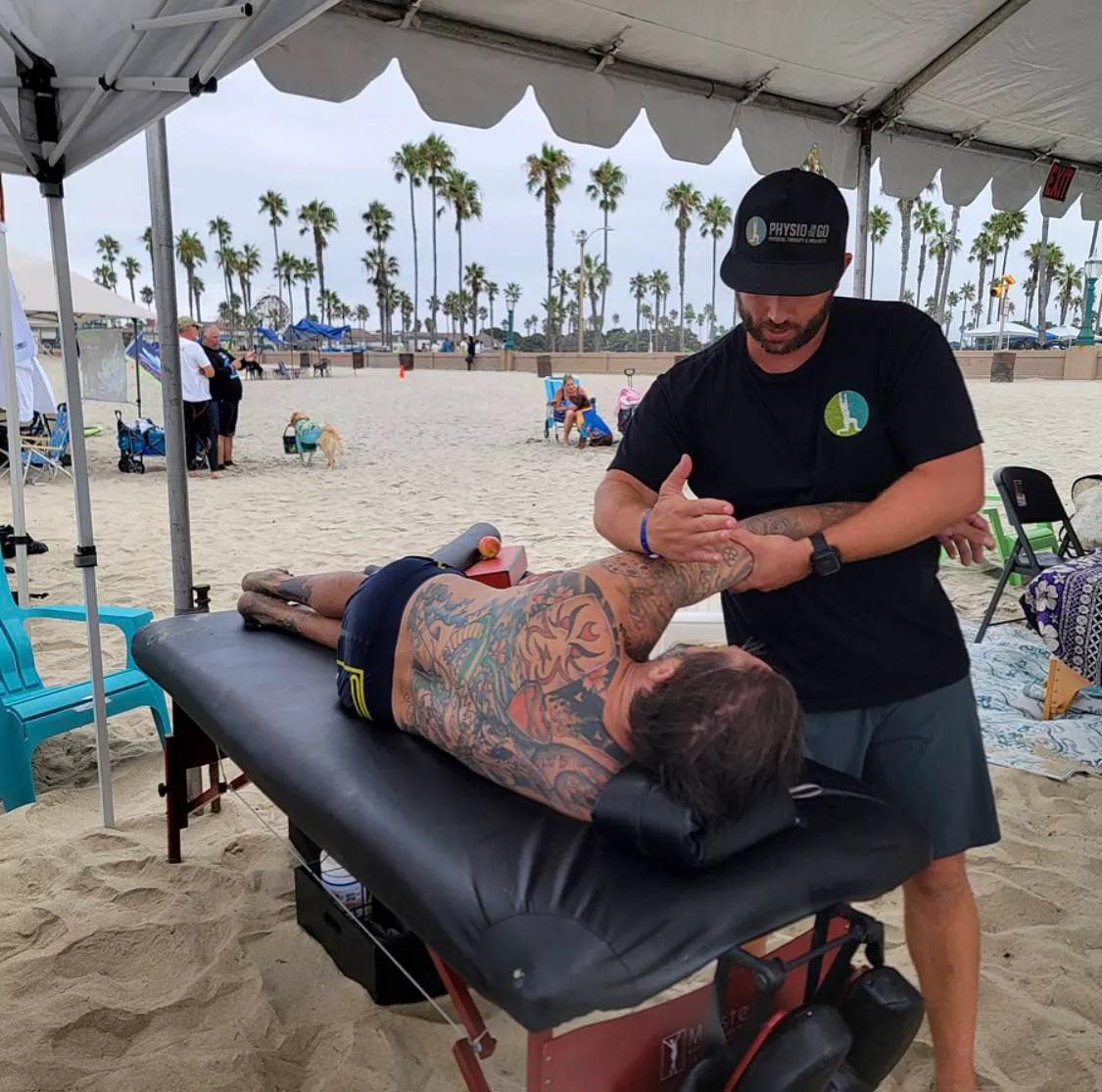
In San Diego, CA, facilities like Physio on the Go offer comprehensive sciatica treatment programs that address not just immediate pain relief but long-term recovery and prevention strategies.
Building Long-Term Success
Managing sciatica effectively requires consistency and patience. Start by implementing one or two techniques from this guide rather than trying to change everything at once. Pay attention to how your body responds and adjust accordingly.
Keep a pain journal to track which sitting positions and techniques work best for you. This information becomes valuable when working with healthcare providers and helps you identify patterns in your symptoms.
Remember that healing takes time. While proper sitting techniques can provide immediate relief for many people, full recovery from sciatica often requires a comprehensive approach that includes appropriate medical care, targeted exercises, and lifestyle modifications.
Your path to recovery starts with small, consistent changes. Begin today by adjusting your chair setup and practicing proper posture techniques. With persistence and the right approach, you can regain comfort and confidence in your daily activities.